
Tag: side effects of morphine
-

Cognitive Behavioral Therapy for Substance Abuse
Cognitive behavioral therapy (CBT) is an evidence-based approach effective in treating mental health conditions, including addiction. It helps individuals reframe negative thoughts and adopt healthier behaviors. By learning to cope with triggers and manage emotions, individuals can overcome harmful habits. CBT has successfully treated depression, anxiety, substance abuse, and other psychological issues, offering hope for…
-

Relapse Prevention Strategies that Work
Relapse prevention is a key component in maintaining long-term sobriety. It plays a critical role in helping individuals stay on track after completing recovery treatment. Before clients leave a rehabilitation program, they are equipped with practical coping mechanisms and healthy habits designed to make relapse prevention more manageable and sustainable. These tools lay the foundation…
-

Fentanyl Detox: Overcoming a Deadly Addiction
Fentanyl is a synthetic opioid that is derived from morphine, but is 50-100 times more potent. The substance can come from a prescription, but is often made illegally on the streets. It has legitimate medical applications, such as controlling severe pain after surgery or injury. However, synthetic opioids like fentanyl are the most common substance…
-

The Role of Detox in Overall Recovery
Detox is a critical step in the addiction recovery process. It comes before rehab and therapy, and is required to initially rid the body of drugs and alcohol. Detox should always be done under medical supervision, and should never be attempted on one’s own. Unsafe detox practices could result in rapid relapse or overdose. Not…
-

Understanding Dual Diagnosis: Treating Addiction and Mental Health
Dual diagnosis treatment is a specialized approach that addresses both substance use disorder and other underlying mental health conditions simultaneously. For many individuals, mental health challenges are a driving factor behind drug or alcohol use, and when these conditions co-occur, they are referred to as co-occurring disorders. Treating both conditions at once is critical, as…
-

Understanding Faith Based Recovery
For many individuals, faith based recovery serves as a powerful tool that can help them navigate both the challenges and celebrations of life. Whether you identify with a specific religion or simply hold a general belief in a higher power, faith based recovery often provides the emotional and mental fortitude needed to endure tough times.…
-

Top Questions to Ask a Potential Addiction Recovery Center
Finding the right addiction recovery center can be tough, especially in times of crisis like an eminent relapse or recent overdose. Knowing what questions to ask can make the intake and inquiry process easier on yourself and your loved ones. Likewise, it helps the admissions team at Solution Based Treatment know what you are worried…
-
What is GeneSight Testing?
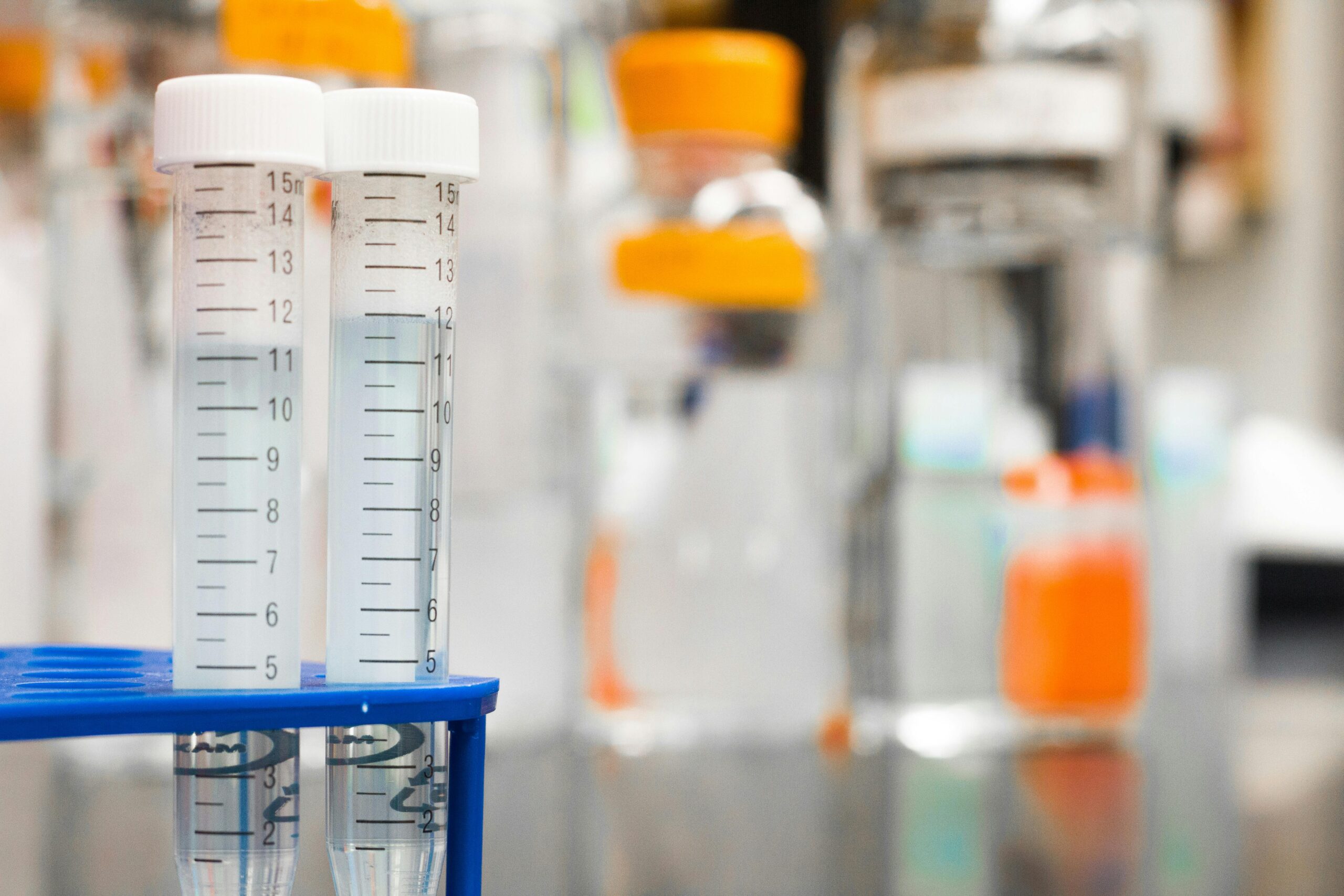
GeneSight testing is a revolutionary technology used to accurately determine what medications a client will respond to best based on their genetics. This technology makes the diagnostic process more seamless, and gives care providers an efficient way to manage medications. Understanding GeneSight Testing Solution Based Treatment utilizes GeneSight testing in the diagnosis of most clients.…
-

Early Intervention Can Save Lives
When it comes to addiction, early intervention can save lives. Long-term substance abuse causes permanent damage to the body and the brain. The longer it goes on, the more damage one obtains. Entering addiction treatment as early as possible significantly increases the likelihood of reducing long-term health complications and achieving more successful sobriety outcomes. Early…
-

Benzos: The Silent Killer
Benzodiazepine addiction is becoming increasingly more common amongst Americans. Recent data has shown that 12.5% of adults use benzos. Of those 12.5%, over 2% misuse the drugs. Likewise, in 2022 alone, over 11,000 drug-related deaths were caused by benzos. Benzo addiction is a silent but deadly killer across the country. Adults aged 18-25 reported the…
-

The Risks of Detoxing Alone
Detox is the essential first step to addiction recovery for those addicted to most drugs and alcohol. Fentanyl, opioids, heroin, benzodiazepines, prescription medications, and alcohol all require detox to begin recovering. Detox should always be done under the supervision of medical professionals who specialize in detoxification and addiction treatment. Attempting to detox on one’s own…
-

Will My Insurance Cover Addiction Treatment?
Navigating insurance coverage for addiction treatment can feel daunting, but it doesn’t have to be. Every insurance plan operates differently, and understanding your coverage is key to finding the right treatment. Some plans restrict coverage to in-network providers, while others offer broader flexibility. The admissions team at Solution Based Treatment helps you navigate these details,…
-

Why California Detox Centers are the Best Place to Recover
California detox centers offer an ideal environment for those seeking recovery from drug and alcohol addiction. The consistently sunny skies, warm temperatures, and natural beauty of the Golden State provide a backdrop that plays a vital role in elevating one’s mood and overall well-being. Sunlight and warmth have been scientifically shown to enhance emotional stability.…
-

Meth vs. Adderall: They’re Not the Same
Meth and Adderall are both stimulants, but this is where the similarities stop. Methamphetamine, commonly referred to as “meth,” was originally developed in the early 20th century and is chemically derived from amphetamine. Amphetamine itself is the base compound in several medications, including Adderall, when combined with dextroamphetamine. While meth and Adderall share a similar…
-

Does Marijuana Make Mental Health Worse?
Marijuana has long been perceived as a relatively “safe” drug compared to more notorious substances like heroin or opioids. However, while it may not be fatal, it is important to recognize that marijuana can still lead to addiction and have serious consequences on mental health. Especially when consumed at a young age, cannabis can have…
-

Detoxing: What to Expect
Detoxification is the first step in the addiction recovery process. Medical detox is the safest way to go through drug detoxification. Attempting detox without professional support increases the risk of relapse and unnecessary discomfort. Understanding Medical Detox In medical detox, doctors and nurses oversee the patient’s condition and provide targeted medications to ease the withdrawal…
-

Music Therapy’s Role in Addiction Recovery
Music therapy can be an immensely healing tool for individuals navigating the challenges of addiction treatment, as well as for maintaining long-term sobriety. Addiction is a multifaceted mental health condition that affects the mind, body, and soul. Addiction treatment typically requires a multi-stage process, beginning with medically supervised detoxification, followed by comprehensive rehabilitation. One of…
-

Finding the Right Alcohol Addiction Treatment Program
Detoxing from alcohol addiction can be challenging, especially when your substance of choice is so readily accessible, making it difficult to take the first step toward sobriety. A dedicated alcohol rehab center provides the opportunity to remove yourself from an environment filled with triggers and concentrate fully on recovery. An accredited alcohol rehab center can…
-

Intensive Outpatient Treatment Post Relapse
Intensive outpatient treatment (IOP) is designed to lend support and care to individuals in addiction recovery that are ready to re-enter their communities but still need help strengthening their coping mechanisms and relapse prevention skills. IOPs are also geared towards individuals who have previously completed detox and residential rehab recently. For those who have recently…
-

The Value of Support Systems in Recovery
Having a support system during sobriety can make a huge difference when it comes to motivation and sustainable recovery. Whether your support system comes from other peers in sobriety or from friends and family, they can provide you with strength in the hard days. Support systems are not only there for the hard times, but…
-

Effects of Alcohol Addiction on the Brain
Alcohol addiction is becoming increasingly more common in American society. According to the World Health Organization (WHO), 2.6 million deaths a year are connected to alcohol overconsumption. This accounts for 4.7% of all deaths. Additionally, a 2019 survey on public health showed that around 400 million people reported living with an alcohol use disorder, and…


